The price per square foot myth
It is a useful number for comparing two identical houses, and there are no two identical houses.
September 17, 2026 · 2 min read
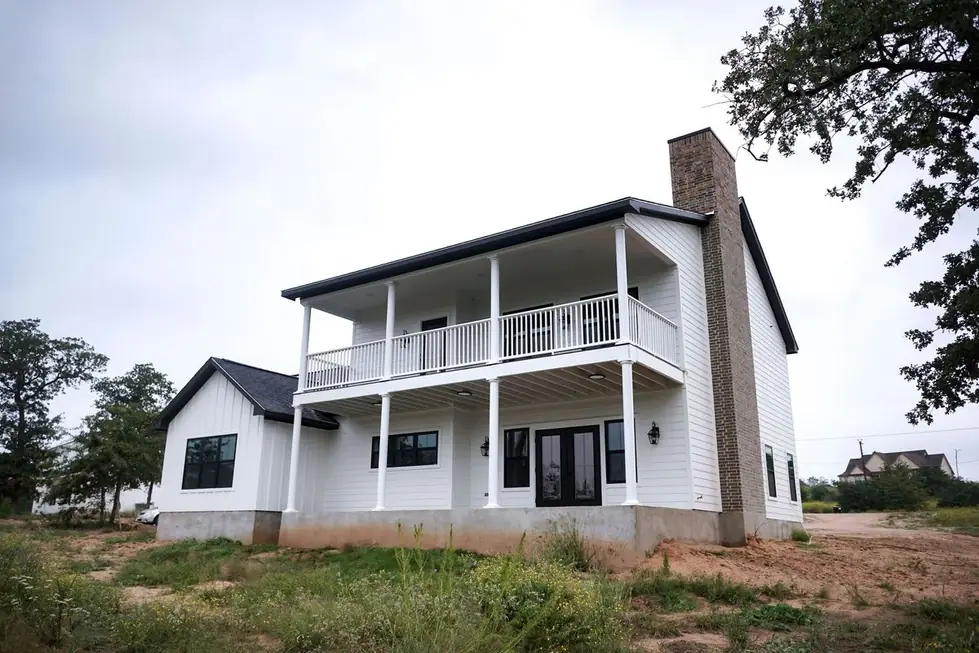
Everybody asks it, because it sounds like the question that cuts through the noise. What is your price per square foot? It feels like asking the price of petrol. One number, easy to compare, moves the conversation along.
The trouble is that a square foot is not a unit of anything in particular. It does not tell you what is in the wall, how the foundation was designed, what the roof is rated for, or how much of the house is kitchen and bathroom rather than bedroom.
Not all square feet cost the same
Kitchens and bathrooms are the expensive rooms, by a wide margin. They carry cabinetry, counters, tile, plumbing and most of the appliances. A bedroom is four walls, a floor, a ceiling, a window and a light.
So a compact house with two full bathrooms and a serious kitchen will show a much higher price per square foot than a larger house with the same kitchen and an extra two bedrooms, even though the second house costs more to build. The second one looks cheaper by the metric and is not cheaper.
Shape costs money
A simple rectangle is the cheapest way to enclose a given area. Every corner you add is more framing, more sheathing, more flashing, more roof intersections and more labour. Rooflines do the same thing: a straightforward gable costs a fraction of a roof with several intersecting planes and dormers.
Two houses with the same floor area, one a clean rectangle and one with an articulated plan and a complicated roof, are not comparable on a per foot basis at all. The metric punishes exactly the design decisions that most people want.
The site is part of the house
Foundations are designed for the ground they sit on, from real tests, including a soil inspection taken from test holes dug on your own site. Two identical plans on two different lots can carry meaningfully different foundation costs, and no price per square foot figure anywhere accounts for that.
Add slope, access for equipment, how far the utilities have to come and what the drainage is doing, and the site can move the number before a single wall goes up.
What the number hides
- Whether the standard specification includes items the other bidder has as upgrades.
- Whether garages, porches and covered patios are counted in the square footage or not, which alone can swing the figure dramatically.
- Allowances. A generous sounding price per square foot with thin allowances for flooring, cabinetry and fixtures is a number you will not finish at.
- Site work, which can be a rounding error or a serious line depending entirely on the lot.
A better question
Ask for a written specification and a line item budget with the allowances shown. Ask what is included in the square footage figure and what is excluded. Ask what the foundation design is based on.
Then compare those documents between builders rather than comparing a single divided number. It takes longer and it is the only comparison that tells you anything.
Price per square foot is genuinely useful in one situation: comparing two nearly identical houses, on similar lots, with the same specification. In every other situation it is a number that feels like information and is not.
Arnold Custom Builders, (512) 321-9298
Call (512) 321-9298